With Transitioning Your Fleet of Trucks to Electric: A Cost-Benefit Analysis at the forefront, this paragraph opens a window to an amazing start and intrigue, inviting readers to embark on a storytelling filled with unexpected twists and insights.
The content of the second paragraph that provides descriptive and clear information about the topic
Introduction to Electric Fleet Transition
Electric Fleet Transition involves replacing traditional fuel-powered trucks with electric vehicles to reduce emissions and improve sustainability. By making this shift, companies can benefit from lower operating costs, reduced carbon footprint, and compliance with environmental regulations.Benefits of Switching to Electric Trucks
- Lower operating costs due to cheaper electricity compared to diesel or gasoline.
- Reduced maintenance expenses as electric vehicles have fewer moving parts.
- Decreased greenhouse gas emissions leading to a cleaner environment.
- Enhanced brand image and reputation for environmental responsibility.
Overview of Challenges in Transitioning to Electric Fleet Vehicles
Electric Fleet Transition presents several challenges that companies need to address for a successful transition:- High initial investment costs for purchasing electric trucks and charging infrastructure.
- Limited driving range of electric vehicles compared to traditional trucks.
- Need for charging infrastructure development to support electric fleet operations.
- Training requirements for drivers and maintenance staff to adapt to electric vehicle technology.
Cost Analysis of Transitioning to Electric
Electric trucks are becoming an increasingly popular choice for fleet owners looking to reduce emissions and operational costs. However, the initial investment in electric trucks can be higher compared to traditional diesel trucks. Let's delve into the cost analysis of transitioning to an electric fleet.Upfront Costs Comparison
When it comes to upfront costs, electric trucks typically have a higher price tag than diesel trucks. The cost of purchasing an electric truck can be significantly higher due to the expensive battery technology and other components required for electric propulsion. On the other hand, diesel trucks are generally more affordable to purchase upfront.Maintenance Costs Comparison
Maintenance costs are where electric trucks shine in comparison to diesel trucks. Electric trucks have fewer moving parts, which means lower maintenance costs overall. Additionally, electric trucks do not require oil changes, fuel filters, or emission system maintenance like diesel trucks do. This results in significant savings in maintenance expenses over the lifespan of the vehicle.Long-term Cost Savings
Despite the higher upfront costs, transitioning to an electric fleet can result in long-term cost savings. With lower maintenance costs, reduced fuel expenses, and potential incentives or tax breaks for electric vehicles, fleet owners can see a return on investment over time. The total cost of ownership for electric trucks can often be lower than that of diesel trucks when considering the entire lifespan of the vehicle.Environmental Impact of Electric Fleet Transition
 Electric fleet transition offers a range of environmental benefits that can positively impact the planet. By reducing carbon emissions and promoting sustainability efforts, the switch to electric trucks plays a crucial role in mitigating climate change and preserving the environment for future generations.
Reducing Carbon Emissions
Electric trucks produce zero tailpipe emissions, eliminating harmful pollutants such as nitrogen oxides, particulate matter, and greenhouse gases. This reduction in carbon emissions helps improve air quality and reduces the overall carbon footprint of transportation operations.Promoting Sustainability
Electric fleets contribute to sustainability efforts by decreasing reliance on fossil fuels and promoting the use of renewable energy sources such as solar or wind powerInfrastructure Requirements for Electric Fleet Operations
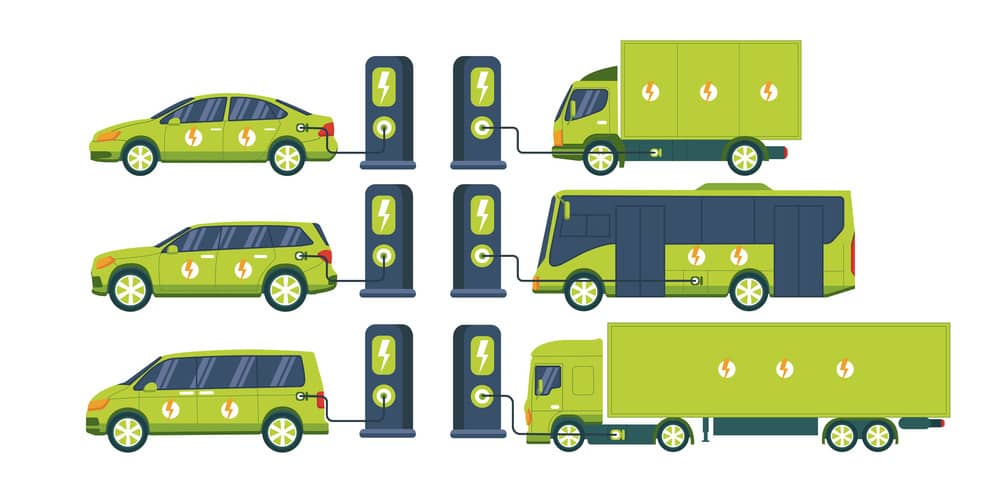
Electric trucks require a robust charging infrastructure to support their operations effectively. Charging stations play a critical role in ensuring that fleet vehicles can recharge efficiently to meet delivery schedules and operational demands.Charging Infrastructure for Electric Trucks
Charging infrastructure for electric trucks involves setting up dedicated charging stations equipped with high-power chargers compatible with the vehicles in the fleet. These stations need to be strategically located to ensure easy access for drivers and minimize downtime during charging.
Challenges and Solutions for Charging Stations
One of the main challenges related to charging stations for electric fleet vehicles is the need for rapid charging capabilities to minimize downtime. Solutions to this challenge include investing in fast-charging technology and implementing smart charging systems to optimize charging schedules based on fleet usage patterns.
Scalability of Infrastructure for Large Fleet Transition
Scalability is a key consideration when transitioning a large fleet to electric vehicles. Ensuring that the charging infrastructure can support the increased demand from a larger fleet requires careful planning and investment. This may involve expanding existing charging stations, adding new stations, and implementing load management strategies to balance energy consumption across multiple charging points.
Government Incentives and Regulations
Government incentives and regulations play a crucial role in the transition to electric fleets. These policies can greatly impact the decision-making process for companies looking to make the switch to electric vehicles.Government Incentives Available
- Financial incentives: Many governments offer financial incentives such as tax credits, grants, or rebates to companies transitioning to electric fleets. These incentives can help offset the higher upfront costs of electric vehicles.
- Infrastructure support: Some governments provide support for the installation of charging stations, making it easier for companies to set up the necessary infrastructure for electric fleet operations.
- Discounts on registration fees: In some regions, electric vehicles are eligible for discounts on registration fees, reducing the overall operational costs for fleet owners.
Impact of Regulations
- Emission standards: Government regulations on emissions can push companies towards adopting electric vehicles to meet stricter environmental standards.
- Mandates for electric vehicle adoption: Some regions have introduced mandates or targets for the adoption of electric vehicles in fleets, driving companies to make the switch sooner rather than later.
- Zoning restrictions: Certain cities have implemented low-emission zones where only electric vehicles are allowed, making it necessary for fleet operators to transition to electric to access these areas.
Role of Government Policies
- Promoting sustainability: Government policies play a key role in promoting sustainable practices, and the transition to electric fleets is a significant step towards reducing carbon emissions and mitigating climate change.
- Driving innovation: By incentivizing the adoption of electric vehicles, governments can drive innovation in the electric vehicle industry, leading to technological advancements and cost reductions over time.
- Economic benefits: Transitioning to electric fleets can have economic benefits for governments, such as reduced healthcare costs due to lower emissions and increased job opportunities in the clean energy sector.
End of Discussion
The content of the concluding paragraph that provides a summary and last thoughts in an engaging manner
Key Questions Answered
What are the upfront costs of transitioning to electric trucks?
The upfront costs of purchasing electric trucks are higher than traditional diesel trucks, but the long-term savings on fuel and maintenance can offset this initial investment.
How do electric fleets contribute to sustainability efforts?
Electric fleets reduce carbon emissions and help in combating air pollution, contributing positively to sustainability efforts.
What government incentives are available for transitioning to electric fleets?
Government incentives can include tax credits, grants, or subsidies for purchasing electric vehicles, making the transition more financially feasible for businesses.