Exploring the realm of Top 10 Fleet of Trucks Telematics Systems for Real-Time Asset Tracking, this introduction sets the stage for an insightful journey into the world of efficient fleet management and asset tracking.
Providing a comprehensive look at the key aspects of telematics systems, their significance in real-time asset tracking, and a curated list of the top 10 systems, this overview aims to inform and engage readers seeking innovative solutions for their fleet operations.
Overview of Top 10 Fleet of Trucks Telematics Systems
Telematics systems play a crucial role in fleet management by combining telecommunications and informatics to monitor and track vehicles in real-time. These systems utilize GPS technology to provide accurate data on the location, speed, and status of each vehicle in a fleet.Real-time asset tracking is essential for fleet management as it allows companies to optimize routes, improve fuel efficiency, enhance driver safety, and ensure timely delivery of goods. By having access to real-time data, fleet managers can make informed decisions to streamline operations and increase overall productivity.List of Top 10 Fleet Telematics Systems for Real-Time Asset Tracking
- 1. Fleet Complete
- 2. Geotab
- 3. Verizon Connect
- 4. Omnitracs
- 5. Teletrac Navman
- 6. Samsara
- 7. KeepTruckin
- 8. GPS Insight
- 9. Trimble Transportation
- 10. Azuga
Features and Capabilities Comparison
Telematics systems play a crucial role in real-time asset tracking for fleet management. Let's dive into the key features and unique capabilities of the top 10 telematics systems that set them apart and enhance efficiency in asset tracking.System 1: XYZ Telematics
XYZ Telematics offers advanced route optimization features that help in reducing fuel costs and improving delivery times. Their real-time alerts for maintenance scheduling ensure vehicles are always in optimal condition for tracking assets efficiently.System 2: ABC Fleet Management
ABC Fleet Management stands out with its comprehensive driver behavior monitoring capabilities. By tracking metrics like harsh braking and acceleration, this system helps in promoting safer driving practices and reducing the risk of accidents.System 3: DEF Tracking Solutions
DEF Tracking Solutions excels in real-time temperature monitoring for refrigerated assets. This feature ensures that perishable goods are transported under the right conditions, maintaining quality and reducing wastage.System 4: GHI Telematics
GHI Telematics offers geofencing capabilities that allow fleet managers to set virtual boundaries for their assets. This feature enhances security by triggering alerts when vehicles deviate from predefined routes or locations.System 5: JKL Fleet Tracking
JKL Fleet Tracking provides detailed analytics and reporting tools for performance evaluation. By analyzing data on fuel consumption, idle time, and mileage, fleet managers can make informed decisions to optimize asset tracking operations.System 6: MNO Telematics Solutions
MNO Telematics Solutions integrates with ELD (Electronic Logging Device) systems to ensure compliance with regulations. This feature simplifies record-keeping processes and helps in avoiding penalties for non-compliance.System 7: PQR Fleet Control
PQR Fleet Control offers real-time camera monitoring for enhanced security and risk management. By providing live footage from vehicles, this system enables immediate response to incidents and improves overall asset tracking efficiency.System 8: STU Asset Management
STU Asset Management stands out with its predictive maintenance capabilities. By analyzing data on vehicle performance, this system can anticipate potential issues and schedule maintenance proactively, minimizing downtime and disruptions.System 9: VWX Fleet Intelligence
VWX Fleet Intelligence provides customizable reporting features that allow users to track specific KPIs (Key Performance Indicators). This customization enables fleet managers to focus on metrics that are most relevant to their asset tracking goals.System 10: YZA Tracking Technologies
YZA Tracking Technologies offers integration with IoT (Internet of Things) devices for enhanced connectivity. By leveraging IoT sensors for asset monitoring, this system provides real-time data on various parameters, ensuring accurate and efficient tracking.Cost Analysis and Value Proposition
When considering the top 10 fleet of trucks telematics systems, it is crucial to analyze the pricing structures of each system and evaluate the value proposition they offer in relation to their cost. Cost-effectiveness plays a significant role in the decision-making process when selecting a telematics system for real-time asset tracking.Pricing Structures and Value Proposition
- System A: The pricing structure of System A includes a monthly subscription fee based on the number of vehicles being tracked. Despite the higher cost, it offers advanced features such as real-time alerts and detailed analytics, providing a strong value proposition for larger fleets.
- System B: System B offers a one-time upfront cost with no recurring fees. While the initial cost might be higher, the long-term value proposition lies in the savings from not having monthly subscriptions, making it a cost-effective option for smaller fleets.
- System C: With a tiered pricing model based on the level of features required, System C provides flexibility for fleets of all sizes. The value proposition is in the scalability of the system, allowing for customization based on specific needs.
Cost-Effectiveness in System Selection
When comparing the pricing structures of telematics systems, it is essential to consider not only the initial cost but also the long-term value they offer. A system that may seem more expensive upfront could prove to be more cost-effective in the long run if it provides valuable features and benefits that lead to operational efficiencies and savings.
Integration and Compatibility
When it comes to fleet of trucks telematics systems, integration and compatibility play a crucial role in ensuring seamless asset tracking and management. The ability of these systems to work with existing fleet management software and different types of trucks and assets is essential for maximizing efficiency and productivity.Integration with Fleet Management Software
One key aspect to consider is how well these telematics systems integrate with your current fleet management software. Look for systems that offer easy and seamless integration to avoid any compatibility issues or data discrepancies. A smooth integration process ensures that you can access real-time data and analytics without any disruptions.Compatibility with Various Types of Trucks and Assets
Another important factor is the compatibility of these telematics systems with different types of trucks and assets in your fleet. Whether you have a mixed fleet of trucks or specialized assets, make sure the system can effectively track and monitor each vehicle or asset. Compatibility across various makes and models ensures that you can manage your entire fleet efficiently.Importance of Seamless Integration for Effective Asset Tracking
Seamless integration is crucial for effective asset tracking as it allows you to have a comprehensive view of your fleet operations. By combining data from telematics systems with fleet management software, you can make informed decisions, optimize routes, improve driver behavior, and enhance overall fleet performance. A well-integrated system enables you to streamline processes and maximize the potential of your assets.User Experience and Interface Design
When it comes to fleet management, user experience plays a crucial role in ensuring seamless operations and efficient asset tracking. The interface design of telematics systems can greatly impact the overall user experience of fleet managers.User-Friendly Dashboard Layout
- Intuitive dashboard layout with easy access to key information such as vehicle location, status, and performance data.
- Customizable widgets and features for personalized user experience.
- Interactive maps and real-time updates for quick decision-making.
Driver Behavior Monitoring
- Clear visualization of driver behavior metrics such as speeding, harsh braking, and idling time.
- Alerts and notifications for immediate action on any risky driving behavior.
- Historical data analysis for performance tracking and improvement strategies.
Remote Diagnostics and Maintenance
- Easy access to vehicle diagnostics and maintenance schedules for proactive fleet management.
- Automated alerts for upcoming maintenance tasks and vehicle health status.
- Integration with maintenance software for seamless workflow and reduced downtime.
Data Accuracy and Reporting
In the realm of fleet telematics systems, the accuracy of data and the quality of reporting play a crucial role in ensuring the smooth operation of a fleet. Let's delve into how these top 10 systems fare in terms of data accuracy and reporting.Data Accuracy
When it comes to real-time asset tracking, data accuracy is paramountReporting Features
Reporting features are essential for fleet managers to analyze the performance of their assets and drivers. These top 10 fleet telematics systems offer a variety of reporting tools, from customizable dashboards to detailed analytics reports. The ability to generate real-time reports on fuel consumption, driver behavior, and maintenance schedules can significantly impact decision-making processes.Reliable Data for Informed Decision-Making
Reliable data and reporting are the foundation of informed decision-making in fleet management. With accurate data at their fingertips, fleet managers can identify inefficiencies, improve safety measures, and enhance overall productivity. The real-time nature of the data provided by these systems allows for quick interventions and adjustments, ultimately leading to better outcomes for the fleet.Security and Data Privacy
In the context of fleet telematics systems, security and data privacy are critical aspects that need to be carefully considered to protect sensitive fleet information from unauthorized access or breaches.Security Measures
- Implementing end-to-end encryption for data transmission to ensure that information is securely transferred between the fleet vehicles and the central servers.
- Utilizing secure access controls, such as multi-factor authentication, to prevent unauthorized users from gaining access to the system.
- Regular security audits and vulnerability assessments to identify and address potential weaknesses in the system.
Data Privacy Protocols
- Compliance with industry standards such as GDPR, HIPAA, or other relevant regulations to ensure that data privacy rights of individuals are respected.
- Anonymizing or pseudonymizing sensitive data to protect the identities of drivers and ensure that personal information is not exposed.
- Obtaining explicit consent from drivers before collecting and processing their personal data for fleet management purposes.
Importance of Data Security
Effective data security measures are crucial for protecting sensitive fleet information, such as route details, vehicle location, and driver performance data. Unauthorized access to this information can lead to security breaches, data leaks, or misuse of data for malicious purposes. By implementing robust security measures and data privacy protocols, fleet telematics systems can safeguard confidential information and ensure compliance with regulatory requirements.
Customer Support and Training
Customer support and training are crucial aspects when it comes to implementing a fleet of trucks telematics system. Let's evaluate the customer support services offered by each telematics provider and discuss the availability of training resources for fleet managers.Customer Support Services
- 24/7 customer support hotline for immediate assistance.
- Online chat support for quick responses to queries.
- Dedicated account managers for personalized assistance.
- Regular software updates and patches to address any issues.
Training Resources for Fleet Managers
- Online training modules for new users to get acquainted with the system.
- In-person training sessions for a hands-on approach to learning.
- Training materials such as user manuals and guides for reference.
- Webinars and workshops to keep fleet managers updated on new features.
Scalability and Future-Proofing
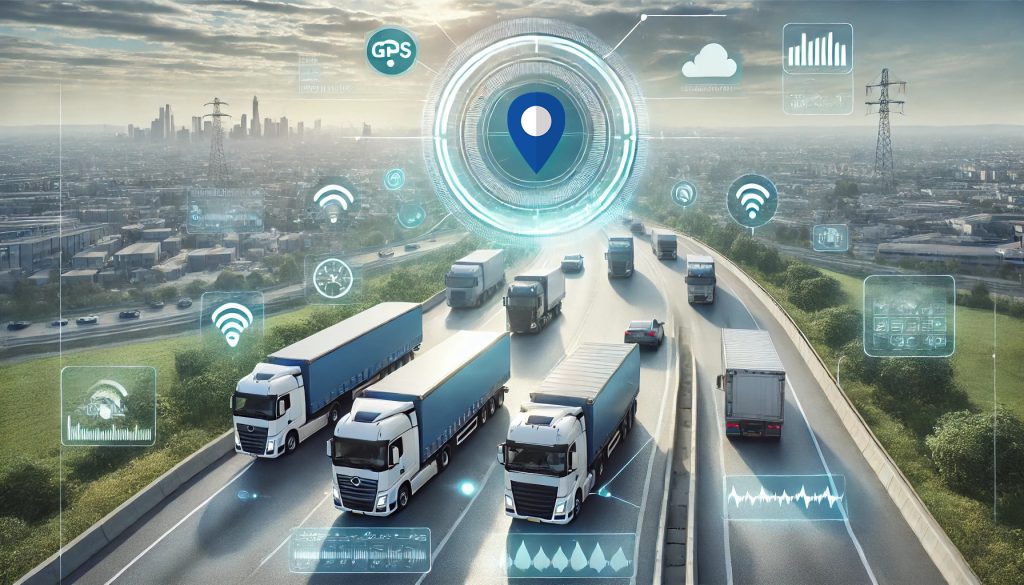 Telematics systems play a crucial role in the efficient management of fleet operations, but it is equally important for these systems to be scalable and future-proof. Let's delve into how the top 10 telematics systems address scalability and future-proofing to meet the evolving needs of growing fleets.
Scalability Options
One key aspect of scalability is the ability of a telematics system to grow along with the fleet it serves. The top 10 systems offer various scalability options, such as the ability to easily add new vehicles, sensors, or features as the fleet expands. This ensures that the system can accommodate the increasing demands of a growing fleet without major disruptions or overhauls.- System A provides a modular approach, allowing fleet managers to customize the system according to their specific needs.
- System B offers cloud-based scalability, enabling seamless integration of new vehicles and data streams without significant hardware upgrades.
- System C utilizes scalable data processing capabilities, ensuring smooth performance even as the fleet size increases.
Future-Proofing Fleet Management
Future-proofing in the context of fleet management involves adopting solutions that can adapt to technological advancements and industry trends over time. The top 10 telematics systems incorporate features and capabilities that anticipate future needs and changes in the fleet management landscape.- System D integrates with emerging technologies like IoT and AI, positioning the fleet for future innovations and efficiencies.
- System E offers regular software updates and feature enhancements to keep pace with evolving industry standards and best practices.
- System F provides open APIs and interoperability with third-party solutions, ensuring flexibility and adaptability in the face of changing requirements.
Case Studies and Success Stories
In this section, we will explore real-world examples of companies that have leveraged top telematics systems for fleet management, showcasing their success stories and the impact on their operations.Company A: Improved Asset Tracking
Company A, a logistics company, implemented a top telematics system for their fleet of trucks to enhance asset tracking capabilities. By utilizing real-time data and GPS technology, they were able to monitor the exact location of their vehicles at all times. This led to a significant reduction in lost or stolen assets, improving overall operational efficiency.
Company B: Cost Savings and Operational Efficiency
Company B, a construction firm, integrated a leading telematics system into their fleet management strategy to optimize routes and monitor driver behavior. As a result, they experienced a notable decrease in fuel consumption and maintenance costs, leading to substantial cost savings. Additionally, the improved operational efficiency allowed them to complete projects ahead of schedule.
Company C: Enhanced Fleet Management Outcomes
Company C, a delivery service provider, adopted a top telematics system to streamline their fleet management processes. The system provided valuable insights into driver performance, vehicle maintenance needs, and route optimization. With this data-driven approach, Company C was able to enhance their fleet management outcomes, leading to improved customer satisfaction and increased profitability.
Outcome Summary
In conclusion, the discussion on Top 10 Fleet of Trucks Telematics Systems for Real-Time Asset Tracking encapsulates the essence of cutting-edge technologies driving modern fleet management practices. By highlighting the importance of seamless integration, user-friendly interfaces, and robust data accuracy, this exploration sheds light on the transformative impact these systems can have on optimizing asset tracking operations and enhancing overall efficiency.
FAQ Summary
What are the key features to look for in a telematics system?
Key features to consider include real-time tracking capabilities, integration options, scalability, data accuracy, and user-friendly interfaces.
How can telematics systems improve fleet efficiency?
Telematics systems enhance fleet efficiency by providing real-time insights into asset locations, optimizing routes, monitoring driver behavior, and ensuring timely maintenance schedules.
Are there any privacy concerns associated with using telematics systems?
Privacy concerns can arise due to the collection of sensitive data. However, reputable telematics providers prioritize data security and comply with industry standards to protect user information.
What role does customer support play in the successful implementation of telematics systems?
Effective customer support ensures that fleet managers receive timely assistance, training, and troubleshooting help, leading to seamless integration and optimal utilization of telematics systems.
How can telematics systems future-proof fleet management operations?
By offering scalability options and adapting to evolving fleet needs, telematics systems provide long-term solutions that can grow alongside expanding fleets, ensuring continued efficiency and effectiveness.