The Impact of Global Supply Chain Shifts on Fleet of Trucks Utilization sets the stage for this enthralling narrative, offering readers a glimpse into a story that is rich in detail and brimming with originality from the outset.
As we delve into the intricate web of global supply chain shifts and their effects on the efficient use of truck fleets, a fascinating journey unfolds before us.
Overview of Global Supply Chain Shifts
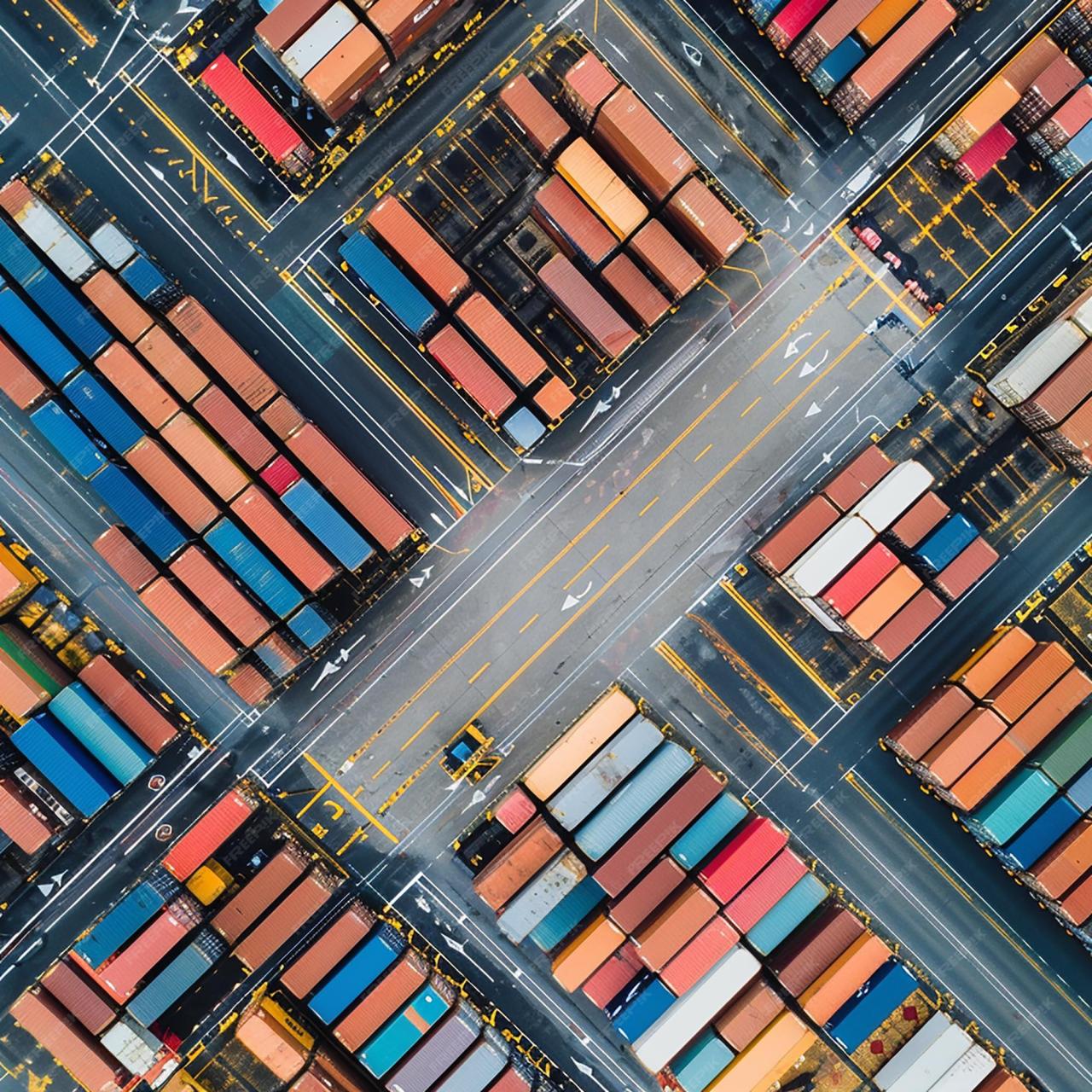 In recent years, there have been significant shifts in global supply chains that have had a profound impact on the utilization of fleets of trucks. These shifts are driven by various factors such as changes in manufacturing locations, advancements in technology, and alterations in trade agreements.
Impact of Manufacturing Locations on Truck Fleet Utilization
Manufacturing locations play a crucial role in determining the demand for trucking services. As companies move their production facilities to different regions or countries to take advantage of cost efficiencies or market opportunities, the need for truck fleets to transport raw materials and finished goods also shifts. For example, the relocation of manufacturing plants from one country to another can result in longer transportation routes, increased shipping volumes, and changes in delivery schedules, all of which impact truck fleet utilization.Influence of Trade Agreements on Trucking Demand
Trade agreements between countries can have a significant impact on the movement of goods and, consequently, on the demand for trucking services. When trade agreements are amended or new agreements are signed, it can lead to changes in import/export volumes, tariffs, and regulations, which in turn affect the flow of goods and the need for truck fleets to transport them. For instance, the implementation of trade tariffs can result in fluctuations in demand for trucking services as companies adjust their supply chains to minimize costs and navigate new trade regulations.Technology Advancements in Fleet Management
GPS tracking technology has revolutionized fleet management by providing real-time visibility into truck locations and activities. This has led to optimized route planning, improved efficiency, and enhanced overall fleet operations. Software solutions have further enhanced these capabilities, offering tools for better route optimization and fuel consumption monitoring.GPS Tracking Optimization
- GPS tracking enables fleet managers to monitor truck locations in real-time, allowing for better coordination of deliveries and pickups.
- By analyzing GPS data, fleet managers can identify inefficiencies in routes and make adjustments to optimize delivery schedules.
- GPS tracking also helps in improving driver safety by providing insights into driver behavior and adherence to traffic regulations.
Software Solutions for Route Planning and Fuel Efficiency
- Advanced software solutions offer route optimization tools that take into account factors like traffic conditions, weather, and delivery windows to plan the most efficient routes.
- These software solutions also provide insights into fuel consumption patterns, allowing fleet managers to identify opportunities for fuel savings and reduce carbon emissions.
- Integration of telematics data with route planning software can further enhance fuel efficiency by providing real-time feedback on driver performance and vehicle maintenance needs.
Impact of Autonomous Vehicles
- Autonomous vehicles have the potential to transform the future of truck fleet utilization by reducing the need for human drivers and increasing operational efficiency.
- Self-driving trucks can operate continuously, leading to faster delivery times and reduced labor costs for fleet operators.
- However, the widespread adoption of autonomous vehicles in truck fleets may still face regulatory challenges and technological limitations that need to be addressed for full integration into the supply chain.
Environmental Impact of Supply Chain Shifts
Shift Towards Electric and Hybrid Trucks
In response to the environmental concerns associated with traditional diesel-powered trucks, there has been a noticeable shift towards electric and hybrid trucks in recent years. These alternative fuel vehicles offer a more sustainable option for fleet operators looking to reduce their carbon footprint. Electric trucks, in particular, are gaining traction due to advancements in battery technology and charging infrastructure, making them a viable option for long-haul transportation.Role of Sustainability Initiatives
Sustainability initiatives play a crucial role in shaping truck fleet utilization strategies. Companies are increasingly adopting sustainable practices to minimize their impact on the environment and meet regulatory requirements. By incorporating eco-friendly technologies, optimizing routes, and implementing fuel-efficient driving practices, fleet operators can reduce emissions and improve overall sustainability performance.Challenges Faced by Trucking Companies
The global supply chain shifts have presented several challenges for trucking companies, impacting their operations and fleet utilization. One of the key challenges is the increased demand for transportation services due to changes in consumer behavior and market dynamics.Driver Shortages Impact on Truck Fleet Utilization
- The shortage of qualified truck drivers has been a major issue for trucking companies, leading to difficulties in meeting delivery schedules and maximizing fleet utilization.
- High turnover rates among drivers further exacerbate the problem, requiring companies to constantly recruit and train new drivers, affecting overall efficiency.
- Driver shortages also result in increased labor costs and potential delays in shipments, impacting the bottom line of trucking companies.
Role of Regulations and Compliance in Managing Truck Fleets Efficiently
- Regulations related to hours of service, vehicle maintenance, and safety standards play a crucial role in managing truck fleets efficiently and ensuring compliance with industry standards.
- Non-compliance with regulations can lead to fines, penalties, and reputational damage for trucking companies, affecting their operations and profitability.
- Effective fleet management systems that monitor compliance with regulations can help companies streamline operations, improve safety, and optimize fleet utilization.
Final Summary
In conclusion, the discussion on The Impact of Global Supply Chain Shifts on Fleet of Trucks Utilization provides valuable insights into the challenges, advancements, and environmental considerations that shape the landscape of truck fleet operations.
Detailed FAQs
How do changes in manufacturing locations affect truck fleet utilization?
Changes in manufacturing locations can impact truck fleet utilization by altering the distribution network, leading to longer or shorter hauls and affecting overall efficiency.
What role do sustainability initiatives play in shaping truck fleet utilization strategies?
Sustainability initiatives drive the adoption of electric and hybrid trucks, influencing fleet composition and operations to reduce environmental impact.
How do driver shortages impact truck fleet utilization?
Driver shortages can lead to delays, increased costs, and underutilization of truck fleets, affecting overall productivity and service levels.