Embark on a journey into the future of logistics with an in-depth look at the autonomous fleet of trucks in global logistics hubs. This innovative technology is reshaping the way goods are transported, promising increased efficiency and safety.
Overview of Autonomous Fleet of Trucks in Global Logistics Hubs
Autonomous trucks have been making waves in the logistics industry with their potential to revolutionize transportation. These trucks are equipped with advanced technologies such as sensors, cameras, and artificial intelligence, allowing them to navigate roads and make decisions without human intervention.Brief History of Autonomous Trucks in Logistics
Autonomous trucks have been in development for several years, with companies like Tesla, Waymo, and Uber leading the way in testing and deploying these vehicles. The first successful demonstration of an autonomous truck took place in 2016 when a self-driving truck made a beer delivery in Colorado.Concept of Autonomous Fleet Operations in Global Logistics Hubs
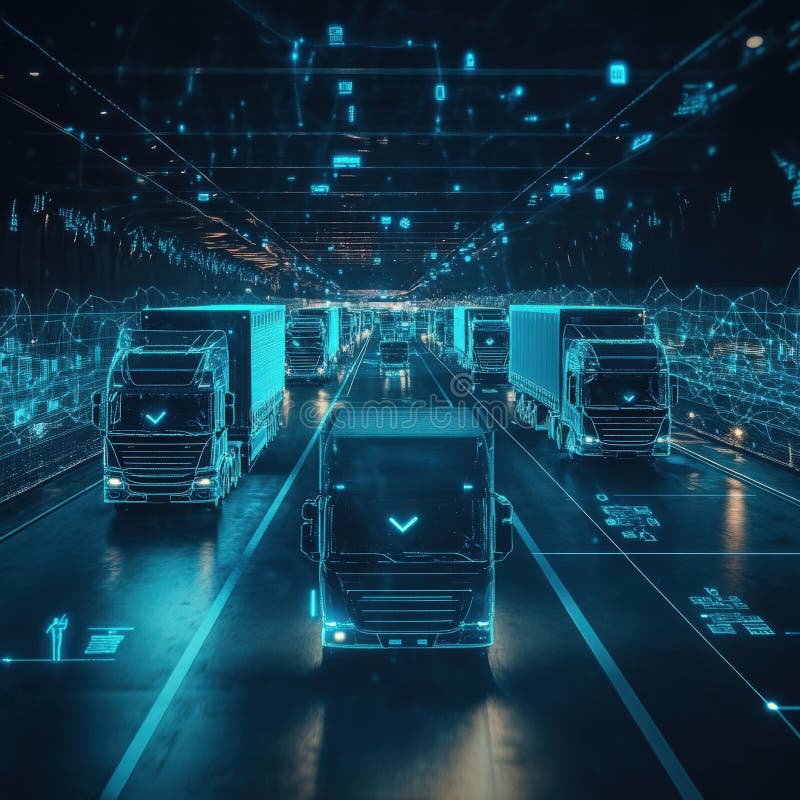
In global logistics hubs, autonomous fleets of trucks can streamline operations by optimizing routes, reducing delivery times, and minimizing human errors. These fleets can work in tandem with other autonomous vehicles, drones, and warehouse robots to create a seamless and efficient supply chain network.Benefits of Using Autonomous Trucks in Logistics Operations
- Increased Efficiency: Autonomous trucks can operate 24/7 without rest breaks, leading to faster delivery times and increased productivity.
- Cost Savings: With reduced labor costs and improved fuel efficiency, companies can save money by using autonomous trucks in their logistics operations.
- Improved Safety: Autonomous trucks are equipped with advanced safety features that can help prevent accidents and reduce the risk of human error on the road.
Comparison between Traditional Trucking Systems and Autonomous Fleet Systems
- Traditional Trucking Systems: Reliant on human drivers, limited by driving hours, and prone to human errors and fatigue.
- Autonomous Fleet Systems: Operate autonomously, can work around the clock, less susceptible to errors, and offer higher efficiency and safety levels.
Technology and Innovations in Autonomous Trucking
Autonomous trucking is rapidly evolving thanks to advancements in technology and innovation. Let's delve into the key technologies driving the development of autonomous trucks and how artificial intelligence, sensors, cameras, and connectivity play a crucial role in their operations.Key Technologies Driving Autonomous Truck Development
Artificial intelligence (AI) is at the core of autonomous trucking, enabling vehicles to make real-time decisions, navigate complex road conditions, and optimize routes for efficiency. Machine learning algorithms analyze vast amounts of data to improve vehicle performance and safety.Integration of Artificial Intelligence in Autonomous Trucks
AI algorithms in autonomous trucks process data from sensors and cameras to perceive the surrounding environment, identify obstacles, and make decisions like human drivers. These systems continuously learn and adapt to improve driving behavior and response to various situations.Role of Sensors, Cameras, and Connectivity in Autonomous Truck Operations
Sensors such as LiDAR, radar, and cameras provide real-time data on the truck's surroundings, detecting objects, pedestrians, and other vehicles. Connectivity technologies like 5G enable seamless communication between autonomous trucks and infrastructure, enhancing coordination and safety.Challenges and Limitations of Current Autonomous Truck Technologies
Despite technological advancements, autonomous trucks still face challenges such as unpredictable weather conditions, complex urban environments, and regulatory hurdles. Safety concerns and public acceptance also pose limitations to the widespread adoption of autonomous trucking.Impacts on Global Logistics Industry
Autonomous trucks are poised to revolutionize the global logistics industry, bringing about significant changes in supply chain efficiency, route optimization, cost implications, and safety standards.Supply Chain Efficiency
Autonomous fleets of trucks have the potential to streamline supply chain operations by reducing manual errors and delays. With advanced technology such as real-time data analytics and predictive maintenance, these trucks can ensure timely deliveries and minimize disruptions in the supply chain.Route Optimization and Delivery Times
One of the key benefits of autonomous trucks is their ability to optimize routes based on real-time traffic data and weather conditions. By choosing the most efficient paths, these vehicles can significantly reduce delivery times and improve overall logistics operations.Cost Implications
Implementing autonomous trucking in logistics hubs may require initial investments in technology and infrastructure. However, over time, the cost savings from increased efficiency, reduced fuel consumption, and lower maintenance costs can offset the initial expenses, leading to long-term financial benefits for logistics companies.Safety and Accident Reduction
Autonomous trucks are equipped with advanced safety features such as collision avoidance systems, adaptive cruise control, and lane departure warnings. By eliminating human error and fatigue, these vehicles can enhance safety standards and reduce the number of accidents in logistics hubs, ultimately creating a safer working environment for drivers and warehouse personnel.Regulatory and Legal Considerations
 In the realm of autonomous trucks in logistics, navigating the complex web of regulatory and legal considerations is crucial for the successful deployment of these innovative vehicles.
Current Regulatory Framework
The current regulatory framework for autonomous trucks varies from country to country, with some nations having more established guidelines than others. In the United States, the Department of Transportation has issued guidelines for the testing and deployment of autonomous vehicles, including trucks. These guidelines Artikel the requirements for safety, testing, and data sharing to ensure the safe integration of autonomous trucks into the existing transportation infrastructure.Legal Challenges and Liabilities
One of the major legal challenges associated with autonomous trucking is determining liability in the event of accidents or malfunctions. Questions arise regarding who is responsible - the truck manufacturer, the software developer, the fleet operator, or the human supervisor. Resolving these liability issues is essential for the widespread adoption of autonomous trucks in global logistics hubs.International Standards and Agreements
International standards and agreements play a crucial role in harmonizing regulations and ensuring the interoperability of autonomous truck operations across borders. Organizations like the United Nations Economic Commission for Europe (UNECE) are working towards developing common standards for autonomous vehicles, including trucks, to facilitate international trade and transportation.Permits and Approvals
Obtaining permits and approvals for deploying autonomous trucks involves a multifaceted process that includes demonstrating compliance with safety standards, data privacy regulations, and roadworthiness requirements. Additionally, fleet operators must work closely with regulatory authorities to ensure that all necessary permits are obtained before autonomous trucks can hit the road.Closing Notes

In conclusion, the rise of autonomous fleet of trucks in global logistics hubs marks a significant step towards a more streamlined and secure supply chain. The future holds endless possibilities as technology continues to evolve in this dynamic industry.
FAQ Compilation
How do autonomous trucks impact supply chain efficiency?
Autonomous trucks optimize routes, reduce delivery times, and enhance overall efficiency in the supply chain.
What are the key technologies driving autonomous truck development?
Key technologies include artificial intelligence, sensors, cameras, and connectivity that enable autonomous truck operations.
What are the legal challenges associated with autonomous trucking?
Legal challenges include liability issues, regulatory frameworks, and obtaining permits for deploying autonomous trucks.