Exploring the realm of Reducing Carbon Footprint: Sustainable Practices for Your Fleet of Trucks, this opening passage invites readers into a world of insightful knowledge, ensuring an enriching and original reading experience.
Delve into the details of this critical topic in the following paragraphs.
Importance of Reducing Carbon Footprint for Fleet of Trucks
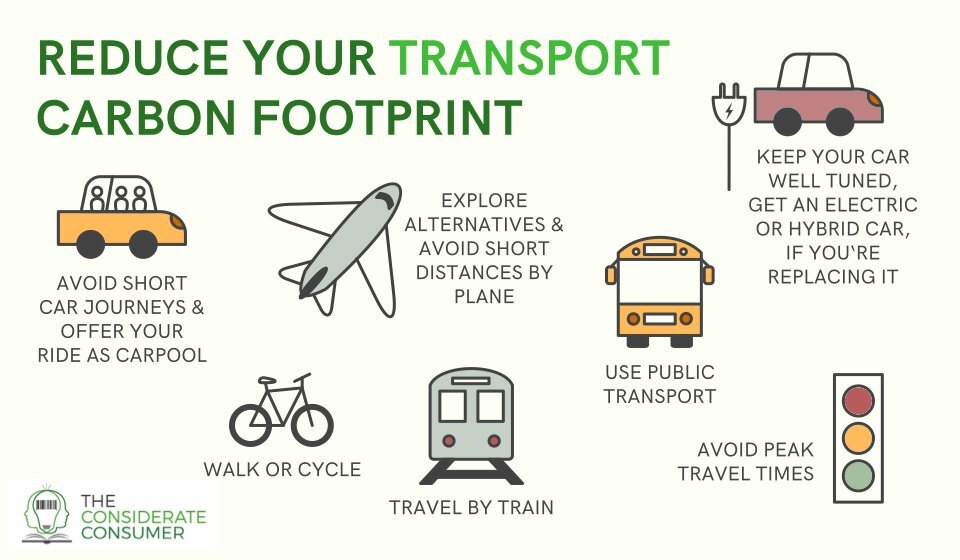 Reducing the carbon footprint of a fleet of trucks is essential for several reasons. Firstly, it helps in minimizing the negative impact on the environment by decreasing greenhouse gas emissions such as carbon dioxide. This is crucial in combating climate change and preserving the planet for future generations.
Benefits of Sustainable Practices
Implementing sustainable practices in fleet management not only helps in reducing carbon emissions but also brings various benefits for businesses. Companies that adopt eco-friendly initiatives often see cost savings in fuel consumption, maintenance, and insurance. Additionally, these practices enhance the company's reputation as a socially responsible and environmentally conscious organization.Successful Companies with Eco-Friendly Initiatives
Several companies have successfully integrated eco-friendly initiatives into their fleet operations. For example, UPS has invested in alternative fuel vehicles and route optimization technologies to reduce emissions. Walmart has implemented a sustainability program that includes fuel-efficient trucks, energy-efficient warehouses, and renewable energy sources. These examples demonstrate how sustainable practices can be beneficial for both the environment and the bottom line of businesses.Sustainable Fuel Options for Trucks
When it comes to reducing the carbon footprint of a fleet of trucks, choosing sustainable fuel options is crucial. Here, we will explore different sustainable fuel options available for trucks and their environmental impact compared to traditional diesel.
Biodiesel
Biodiesel is a renewable fuel made from vegetable oils, animal fats, or recycled restaurant grease. It produces lower emissions compared to diesel and can be used in existing diesel engines with little to no modifications.
Electric
Electric trucks run on electricity stored in batteries, making them emissions-free at the tailpipe. They are particularly effective in urban areas where air quality is a concern. However, the source of electricity used to charge the batteries must also be taken into account for a complete carbon footprint assessment.
Hydrogen
Hydrogen fuel cell trucks generate electricity through a chemical reaction between hydrogen and oxygen, producing only water vapor as a byproduct. This makes them a truly zero-emission option for trucking. However, infrastructure for hydrogen refueling is still limited, posing a challenge for widespread adoption.
Comparing Environmental Impact
When comparing the environmental impact of traditional diesel versus sustainable fuel options, it is clear that sustainable fuels offer significant reductions in greenhouse gas emissions. Biodiesel, electric, and hydrogen all provide cleaner alternatives that help combat climate change and improve air quality.
Feasibility and Challenges
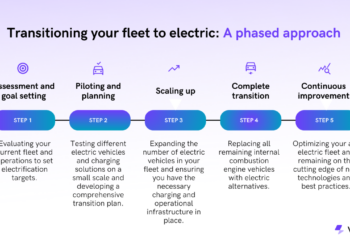
Transitioning to sustainable fuels for a fleet of trucks is feasible but comes with its own set of challenges. Infrastructure development, vehicle availability, cost considerations, and regulatory support all play a role in the successful adoption of sustainable fuel options. Overcoming these challenges will require collaboration among stakeholders and a commitment to a greener future.
Efficient Route Planning and Optimization
Efficient route planning is crucial for reducing emissions and improving fuel efficiency in a fleet of trucks. By optimizing routes, companies can minimize the carbon footprint of their operations while also saving on fuel costs.Strategies for Optimizing Routes
- Utilize GPS technology to identify the most efficient routes based on traffic patterns, road conditions, and fuel stops.
- Consolidate multiple deliveries into one trip to reduce unnecessary mileage and emissions.
- Consider factors like weather conditions and time of day to plan routes that minimize fuel consumption.
- Incorporate real-time data to adjust routes on the go and avoid traffic congestion or other delays.
Role of Technology in Route Planning
- Implement route optimization software that can analyze multiple variables to generate the most fuel-efficient routes.
- Use telematics systems to track vehicle performance and driver behavior, allowing for adjustments to routes that promote sustainability.
- Integrate GPS navigation systems with route planning software to ensure drivers follow optimized paths in real-time.
Maintenance and Eco-friendly Upgrades for Trucks
Regular maintenance plays a crucial role in reducing emissions and improving fuel efficiency in a fleet of trucks. By keeping vehicles properly maintained, you can ensure they operate at their optimal performance levels, leading to lower carbon emissions and decreased fuel consumption.Eco-friendly Upgrades for Trucks
When looking to make eco-friendly upgrades to trucks, consider implementing aerodynamic modifications to reduce drag and improve fuel efficiency. Installing tire pressure monitoring systems can also help maintain proper tire inflation, leading to better fuel economy. Additionally, exploring the use of low rolling resistance tires can further enhance the eco-friendliness of your trucks.Best Practices for Greener Maintenance Routines
- Implement a regular maintenance schedule to keep engines, tires, and other components in top condition.
- Use eco-friendly lubricants and fluids to reduce the environmental impact of maintenance activities.
- Opt for energy-efficient lighting and equipment in maintenance facilities to minimize electricity consumption.
- Properly dispose of waste materials and recycle whenever possible to reduce the overall carbon footprint of maintenance operations.
Closing Summary
Concluding our discussion on Reducing Carbon Footprint: Sustainable Practices for Your Fleet of Trucks, we summarize the key points with a captivating flair, leaving readers with food for thought.
Helpful Answers
How can reducing carbon footprint benefit fleet operations?
Reducing carbon footprint can lead to cost savings, improved brand image, and compliance with environmental regulations.
What are some eco-friendly upgrades for trucks?
Eco-friendly upgrades include aerodynamic modifications, tire pressure monitoring systems, and fuel-efficient technologies.
Why is efficient route planning important for reducing emissions?
Efficient route planning helps minimize fuel consumption, reduce emissions, and optimize fleet operations.
What are the challenges of transitioning to sustainable fuels for a fleet of trucks?
Challenges include infrastructure limitations, higher initial costs, and the need for specialized training.