Fleet of Trucks Management: Strategies to Optimize Fuel Efficiency in 2026 sets the stage for this enthralling narrative, offering readers a glimpse into a story that is rich in detail with casual formal language style and brimming with originality from the outset.
As we delve deeper into the various aspects of fleet management strategies aimed at enhancing fuel efficiency, readers can expect to uncover valuable insights and innovative approaches in the realm of transportation logistics.
Fleet Maintenance Strategies
Maintaining a fleet of trucks is crucial for ensuring optimal fuel efficiency and reducing operational costs. By implementing effective maintenance strategies, fleet managers can prolong the lifespan of vehicles and minimize fuel consumption.Traditional vs. Modern Maintenance Approaches
- Traditional maintenance approaches often rely on scheduled inspections and repairs based on mileage or time intervals.
- Modern, technology-driven methods utilize data analytics, IoT sensors, and telematics to monitor vehicle health in real-time.
- Predictive maintenance systems leverage AI algorithms to predict component failures before they occur, allowing for proactive maintenance and minimizing downtime.
Driver Training and Behavior
When it comes to optimizing fuel efficiency in a fleet, the behavior of drivers plays a crucial role. By implementing a comprehensive training program and monitoring driving habits, significant improvements can be made in fuel-saving practices.Comprehensive Training Program
To enhance fuel-saving practices among drivers, a comprehensive training program should cover the following key areas:- Proper acceleration and deceleration techniques to avoid unnecessary fuel consumption
- Optimal speed management to reduce fuel usage
- Effective route planning to minimize mileage and fuel consumption
- Maintaining consistent speed for improved fuel efficiency
Monitoring and Incentivizing Fuel-Efficient Driving
Implementing techniques to monitor and incentivize fuel-efficient driving habits can further encourage drivers to adopt more eco-friendly behaviors. This can include:- Using telematics systems to track driving behaviors and provide real-time feedback to drivers
- Establishing rewards or recognition programs for drivers who consistently demonstrate fuel-saving practices
- Setting clear goals and benchmarks for fuel efficiency, with incentives for reaching and exceeding targets
- Regularly reviewing performance data with drivers to identify areas for improvement and provide ongoing support
Route Planning and Optimization
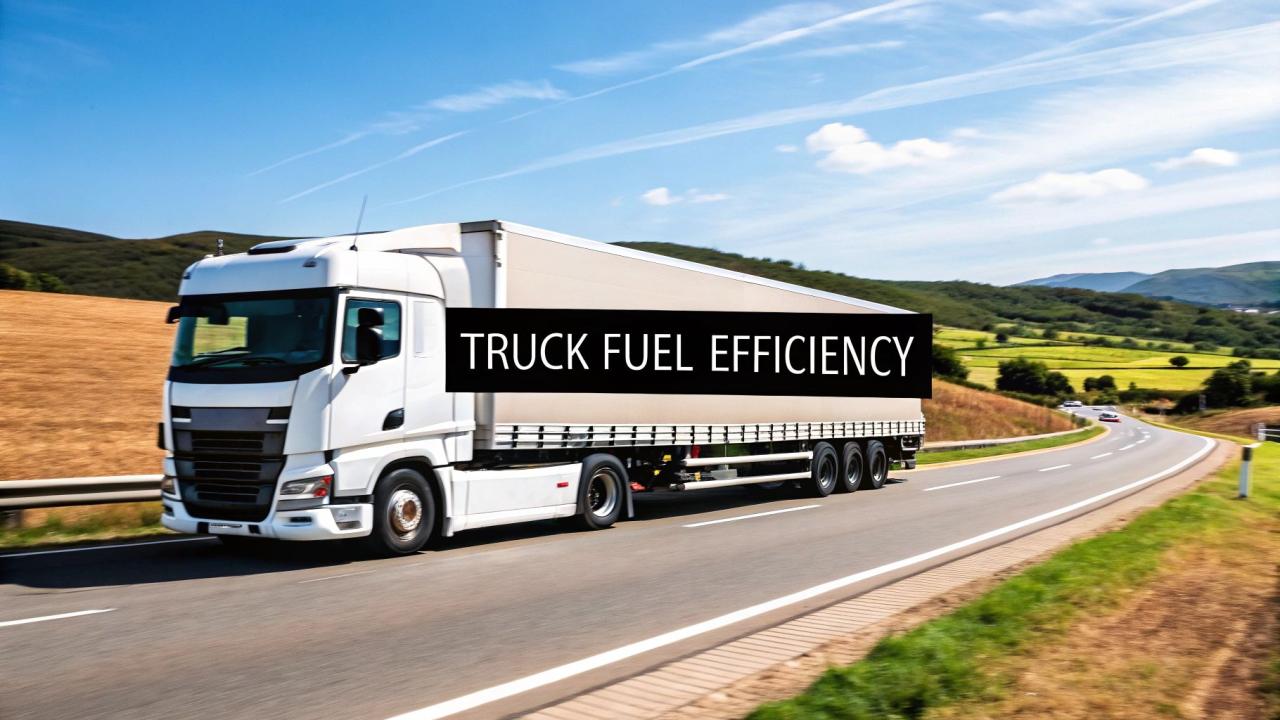 Efficient route planning plays a crucial role in reducing fuel consumption for fleet management. By optimizing routes, companies can minimize unnecessary mileage, decrease idle time, and ultimately save on fuel costs.
Software Tools for Optimizing Fleet Routes
- One example of a software tool that aids in optimizing fleet routes for fuel efficiency is Route4Me. This platform allows fleet managers to input multiple stops, vehicle capacities, and time windows to generate the most efficient routes.
- Another popular option is Trimble's MAPS platform, which provides advanced routing algorithms to minimize driving time and fuel consumption.
Real-Time Data and Analytics for Improved Route Planning
Real-time data and analytics enable fleet managers to make informed decisions when planning routes. By tracking factors like traffic conditions, weather patterns, and driver behavior, companies can adjust routes on the fly to avoid congestion and optimize fuel efficiency. Utilizing GPS tracking and telematics systems, fleet managers can access up-to-date information and optimize routes in real-time.Vehicle Technology Integration
In order to optimize fuel efficiency in fleet vehicles, it is crucial to leverage the latest advancements in vehicle technology. These innovations can significantly reduce fuel consumption and operational costs while also promoting sustainability.Latest Fuel-Efficient Technologies
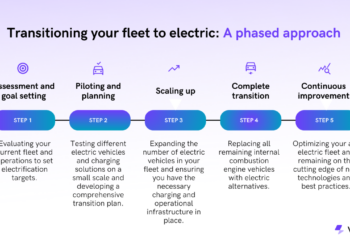
- Electric Vehicles (EVs): EVs are becoming increasingly popular in fleet management due to their zero-emission operation and lower fuel costs compared to traditional gasoline vehicles. By investing in EVs, fleets can reduce their carbon footprint and long-term operating expenses.
- Hybrid Vehicles: Hybrid vehicles combine traditional internal combustion engines with electric propulsion systems, offering improved fuel efficiency and reduced emissions. Fleet managers can consider adding hybrids to their vehicle lineup to achieve better fuel economy.
- Idle-Reduction Technologies: Implementing idle-reduction technologies such as automatic engine shut-off systems can help minimize fuel wastage during idle time. These systems are designed to turn off the engine when the vehicle is stationary for an extended period, conserving fuel in the process.
Alternative Fuels and Their Impact
- Natural Gas: Natural gas is a cleaner alternative fuel that can reduce greenhouse gas emissions and lower fuel costs. Fleets can opt for natural gas-powered vehicles to enhance fuel efficiency and environmental sustainability.
- Biofuels: Biofuels, derived from renewable sources such as plant materials and waste oils, offer a greener fuel option for fleet vehicles. By using biofuels, fleets can reduce their dependence on fossil fuels and mitigate environmental impact.
- Hydrogen Fuel Cells: Hydrogen fuel cells produce electricity through a chemical reaction between hydrogen and oxygen, providing a sustainable power source for vehicles. Integrating hydrogen fuel cell technology in fleet vehicles can lead to improved fuel efficiency and zero tailpipe emissions.
Telematics Systems for Fuel Optimization
Telematics systems play a crucial role in monitoring and optimizing fuel usage in fleet vehicles. By integrating telematics solutions, fleet managers can track fuel consumption in real-time, identify inefficient driving behaviors, and optimize route planning to minimize fuel waste. Additionally, telematics systems can provide valuable insights into vehicle performance, maintenance needs, and driver behavior, contributing to overall fuel efficiency and cost savings.Ultimate Conclusion
In conclusion, the strategies Artikeld above pave the way for a future where fleets of trucks can operate with maximum fuel efficiency, reducing costs and environmental impact. By embracing modern technologies and adopting best practices, businesses can steer towards a more sustainable and profitable future in the transportation industry.
Q&A
How can predictive maintenance systems help reduce fuel consumption?
Predictive maintenance systems utilize data analytics and monitoring to identify potential issues before they escalate, ensuring that fleet vehicles operate at optimal efficiency levels and minimizing fuel wastage.
What impact does driver behavior have on fuel efficiency in a fleet?
Driver behavior such as speeding, harsh braking, and idling can significantly impact fuel consumption. By promoting fuel-saving practices and providing comprehensive training, fleets can improve overall efficiency.
How do software tools aid in optimizing fleet routes for fuel efficiency?
Software tools analyze factors like traffic patterns, road conditions, and distance to suggest the most fuel-efficient routes, helping fleets save on fuel costs and reduce emissions.
What are the benefits of integrating telematics systems for monitoring fuel usage?
Telematics systems provide real-time data on vehicle performance, fuel consumption, and driver behavior, allowing fleet managers to make informed decisions to optimize fuel usage and overall efficiency.